
B2B vs DTC Marketing for Wellness Device Brands
Wellness device manufacturers: should paid media chase clinic buyers or consumers? Five differences, a side-by-side table and a 10-question scoring tool.
Blog
Case studies, playbooks, and field notes on wellness marketing. Everything we publish comes from real client work: paid media for med spas, longevity clinics, biohacking studios, HBOT centers, and wellness tech manufacturers. No theory, no recycled marketing-blog filler. The numbers are real, the campaigns are real, and the lessons transfer to any wellness operator running ads.
Every article below is written from inside an active or completed Raging Agency engagement. We publish the channel mix, the creative that worked, the creative that did not, and the unit economics. Authored by Alex Evans, founder of Raging Agency.
Wellness device manufacturers: should paid media chase clinic buyers or consumers? Five differences, a side-by-side table and a 10-question scoring tool.
Who HIPAA binds, what the Meta pixel can capture, how Conversions API filtering works, and a 12-point tracking checklist for device and wellness brands.

A 10-step framework for scaling a biohacking clinic or recovery studio with Meta and Google ads: hero offer, compliance, creative, tracking and scaling rules.
Cold plunge tanks and saunas can run on Facebook and Instagram. The risk is in the claims. FDA wellness policy, FTC substantiation and Meta rules, explained.

How red light therapy bed manufacturers sell to med spas and clinics in 2026: utilization math, compliant claims, demos, financing, Meta and Google ads.

A step by step playbook for wellness and medical device manufacturers who want a steady flow of qualified demo requests from clinics, med spas and studios.

Yes, you can advertise hyperbaric therapy online. Here are the FDA, FTC, Meta and Google Ads rules chamber manufacturers and HBOT clinics must follow in 2026.
Nearly every ad platform allows healthcare and medical advertising, but each restricts it differently. Nine channels ranked for clinics and device makers.
How to sell PEMF devices to chiropractors and physicians: buyer economics, FDA claim limits, staff workflow, and B2B lead generation for manufacturers.
How manufacturers sell cryotherapy machines to gyms and recovery studios: buyer fit, unit economics, electric vs nitrogen, facility buildout, and Meta ads.
How wellness device manufacturers market equipment financing to clinics: payment framing, finance partners, Meta and Google credit ad rules, and lead magnets.
Why your Facebook ads are not working for equipment sales: 11 causes, from optimizing to cheap form fills to missing CRM feedback, and how to fix each one.
Facebook ads vs Google ads for equipment manufacturers: how each channel handles buyer intent, device claims, demo funnels, CRM tracking, and budget split.

A manufacturer's guide to selling more hyperbaric chambers to clinics: buyer segments, claim frames, mild vs hard shell, the business case, demos and ads.
How med spa owners decide on capital equipment, and 10 strategies manufacturers use to win it: per-room math, patient demand, financing, and training.

15 lead generation strategies for wellness equipment manufacturers, ranked by pipeline impact: demo funnels, ROI calculators, dealer routing and offline data.
How manufacturers market an FDA 510(k) cleared wellness device: clearance language, indications for use, FTC substantiation, and Meta and Google ad rules.
Yes, with conditions. How Meta ad rules apply to medical device makers in 2026: health claims, 510(k) limits, B2B vs consumer ads, and a launch checklist.
How to decide whether to build an in-house team, hire an agency, or run a hybrid when your ads sit in a restricted category, and the signals that point to each.
An evaluation framework for medical and wellness device manufacturers: channel fit, claim limits, demo tracking, and the twelve questions to ask before you sign.
The policy that rejects more wellness ads than any other. What it actually prohibits, why Meta built it, and dozens of non-compliant lines rewritten so they clear review.

Score your own advertising against forty checks covering claim substantiation, Meta and Google policy, FDA and FTC exposure, funnel design, accounts and process.

FDA regulates the product. FTC regulates the claim. The 2026 compliance map for med spa, supplement, longevity, device and telehealth marketers.
What puts a wellness brand into Special Ad Category, which targeting controls it takes away, and how to build campaigns that still perform once the usual levers are gone.
The questions that separate a real wellness ad specialist from a generalist, with what a good answer and a bad answer sound like for each one. Use the rubric on us too.
How to diagnose the policy actually cited, file an appeal that gets read, and resubmit without turning a recoverable creative flag into an account-level problem.

A plain-English guide for wellness brands: what the policy covers, who needs certification, where LegitScript actually applies, and the targeting the policy takes away.
The 12 real causes behind med spa, HBOT, longevity and device ad denials, and the fix for each one. Nearly every rejection traces back to writing about outcomes instead of offers.

Your ads still run, but something feels off. Nine structural warning signs that put a wellness ad account at risk, what each one actually means, and which to fix this week versus this quarter.
A practical 2026 guide to compliant med spa ads on Facebook and Instagram: personal attributes, before-and-after rules, claims language, and what reviewers check on the landing page.
Longevity clinic ads get disapproved far more often than other local businesses. What account quality actually measures, why the claims fail review, and how to fix it this quarter.
The brand is liable, not just the influencer. How the FTC Endorsement Guides apply to wellness testimonials, before-and-afters, affiliates, review gating, and AI generated endorsements.
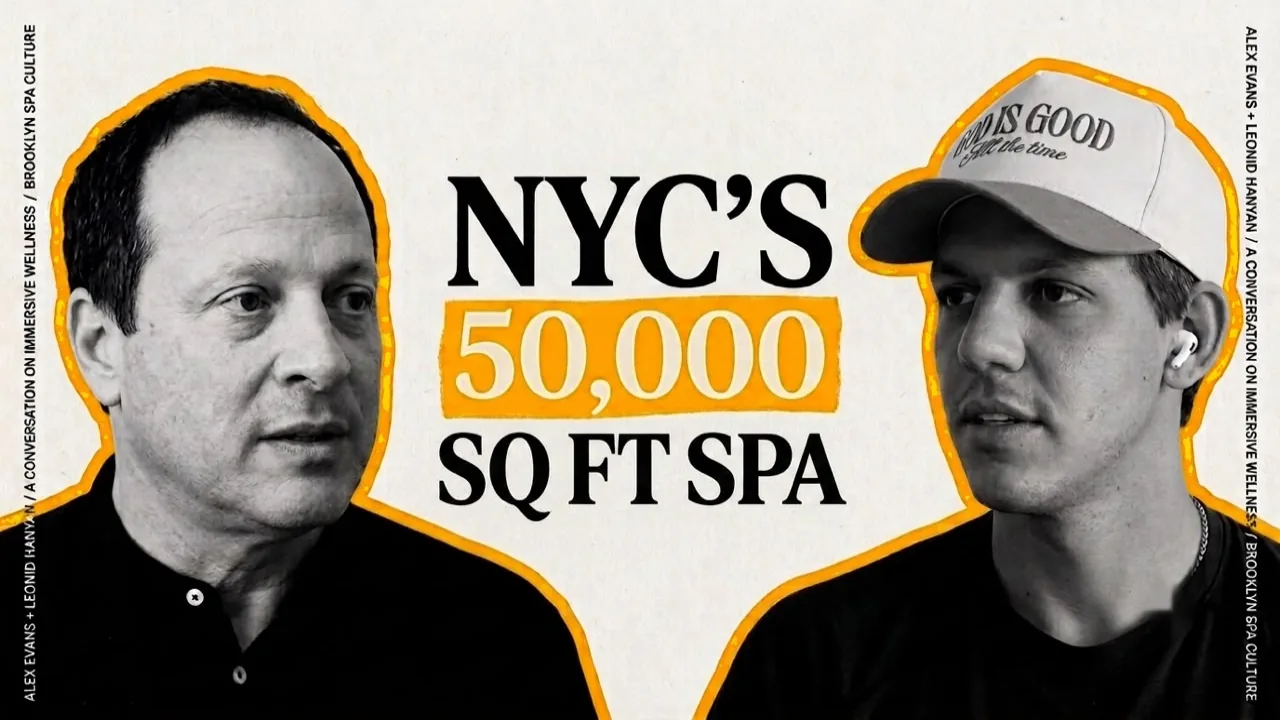
50,000 square feet. 7 spa cultures under one roof. A ground-up Brooklyn build from a parking lot. Leonid Khanin on the operator decisions behind World Spa, the Aufguss and Veniki rituals, the multi-generational visitor mix, and the World Spa 2 in planning.

Brian Kosar built the only national equipment rental platform for med spas. Inside the model that rents brand-new aesthetic lasers and HBOT chambers at $2K-$3K a month with a 50% purchase credit, and the aesthetics-wellness convergence driving demand.
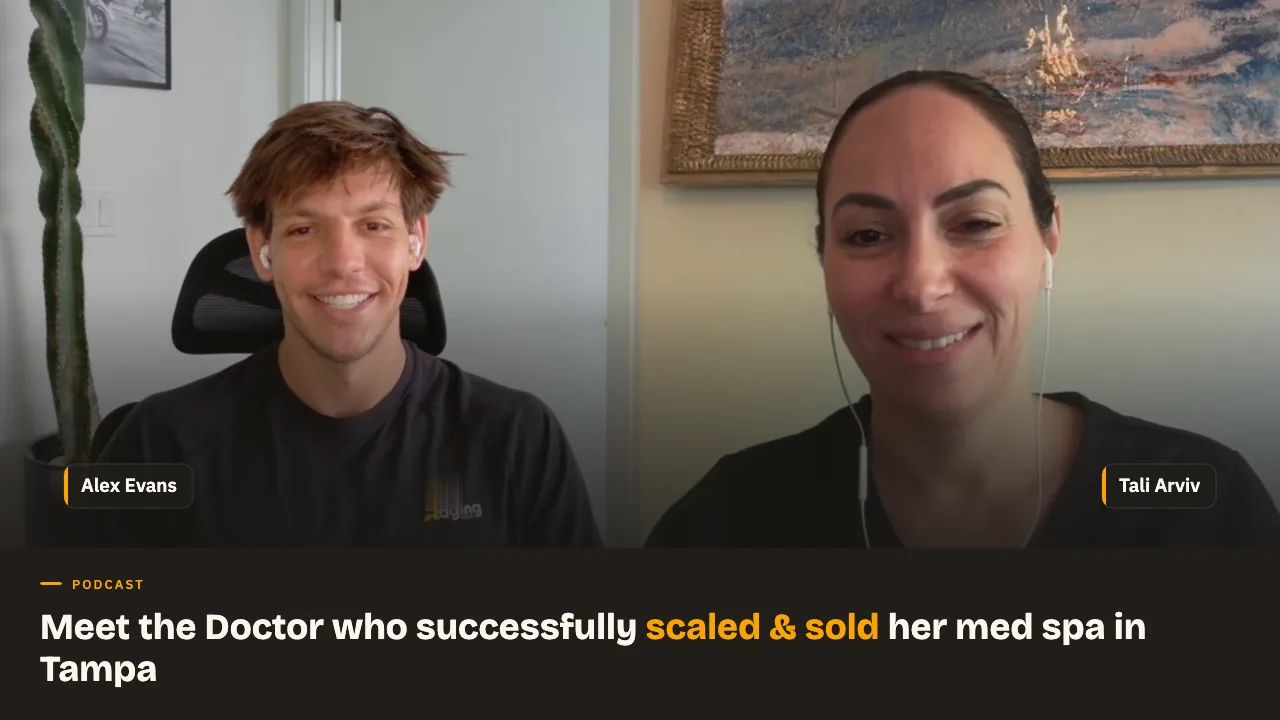
One room in Tampa in 2014 to four Florida locations to a private equity exit in October 2024. Dr. Tali Arviv on the med spa scale-and-sell playbook: reputation transfer, marketing-spend evolution, PE deal structures, and the lawyer mistake to avoid.

The 10 non-negotiables every established business needs locked in before spending a dollar on Meta or Google ads. ICP, qualifying questions, speed-to-lead, attribution, target CAC, and more.

The full 2026 channel mix for wellness tech device brands: Meta, Google, Amazon, connected TV, podcast, influencer, and dealer enablement. What to add and when.
Raging Agency publishes on the topics wellness operators actually need: paid media strategy across Meta and Google, wellness ad compliance, lead conversion and follow-up systems, channel mix for device brands, med spa and clinic patient acquisition, and the AEO and SEO playbook for ranking in AI search. New articles publish regularly. The fastest way to get the next one is the wellness marketing newsletter.
Book a 30-minute Strategy Call.
We will audit your current marketing setup and quote a plan if it fits.